As AI Turns Prevalent, UI Becomes Irrelevant
We just moved star-history.com from Vercel to Cloudflare. Not because anything was wrong with Vercel — we just wanted DNS and hosting under one roof. The reason we'd been putting it off? Cloudflare's dashboard. It's powerful, but figuring out the right sequence of clicks feels like navigating a labyrinth.
Then we pointed Claude Code at it. One prompt, done. The only manual steps were setting a few GitHub Actions secrets.
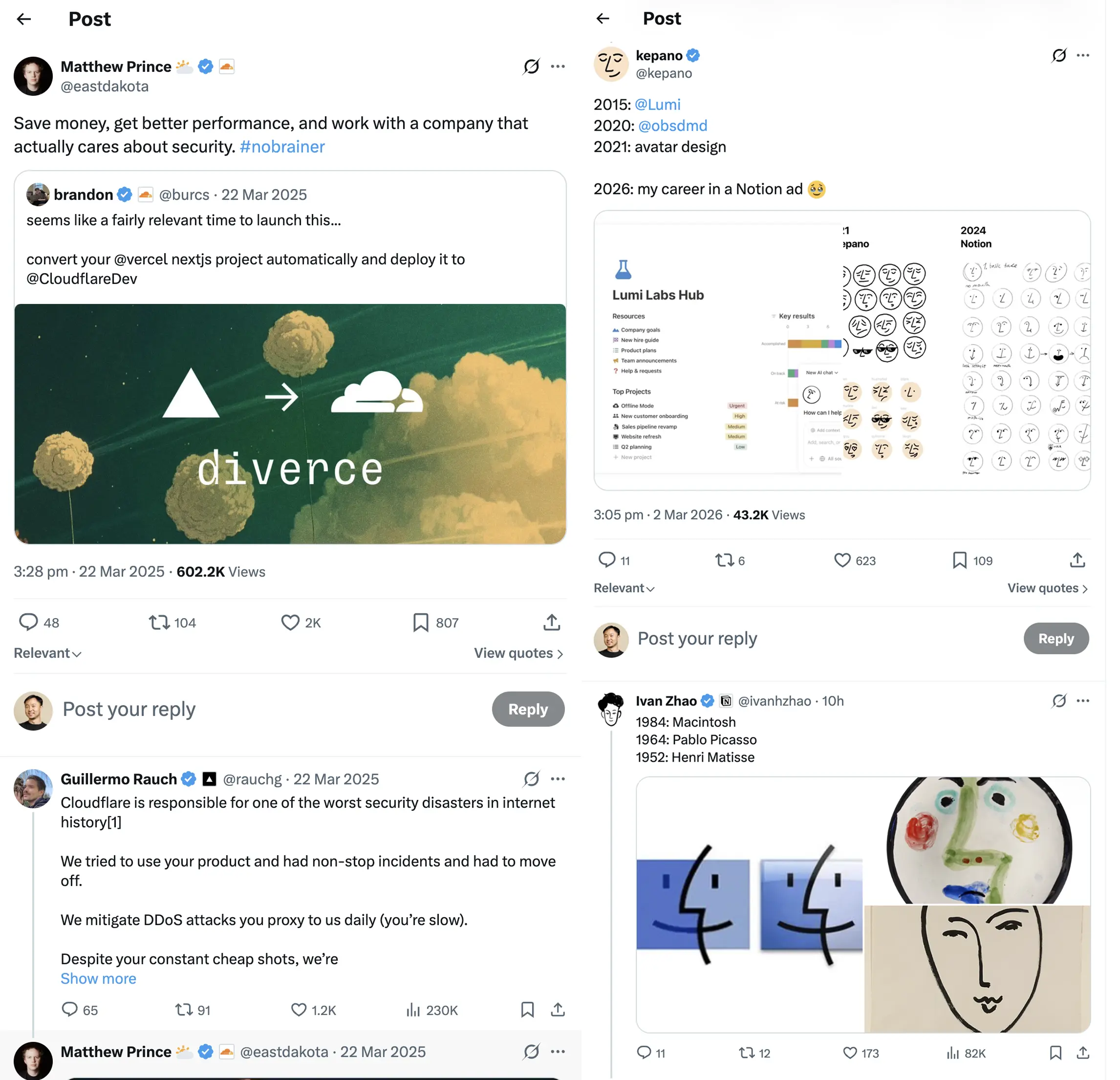
That's why the Cloudflare vs. Vercel and Notion vs. Obsidian debates on X hit differently now. A polished UI used to be a competitive moat. Now it matters less and less. Worse — a complex UI can actually become a liability, because it's harder for AI agents to navigate than a simple config file or CLI.
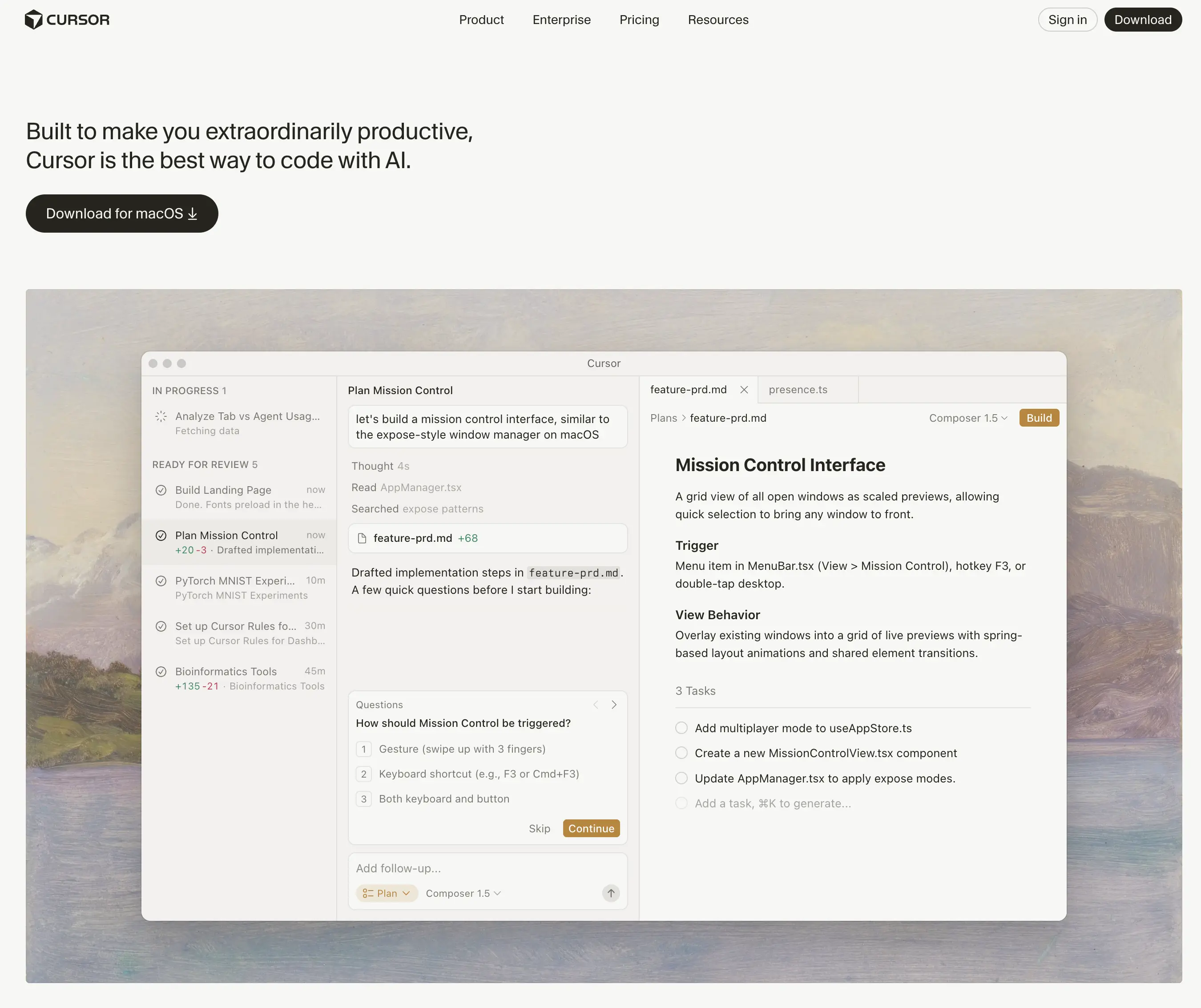
We're circling back to primitives. Look at Cursor — it started as a full-blown IDE and is now converging on what's essentially a task list. The AI does the rest. The interface that matters isn't the one the human sees, it's the one the LLM can operate.
With that in mind, here are six projects that are designed around plain text and code, which makes them scriptable by both humans and AI agents.
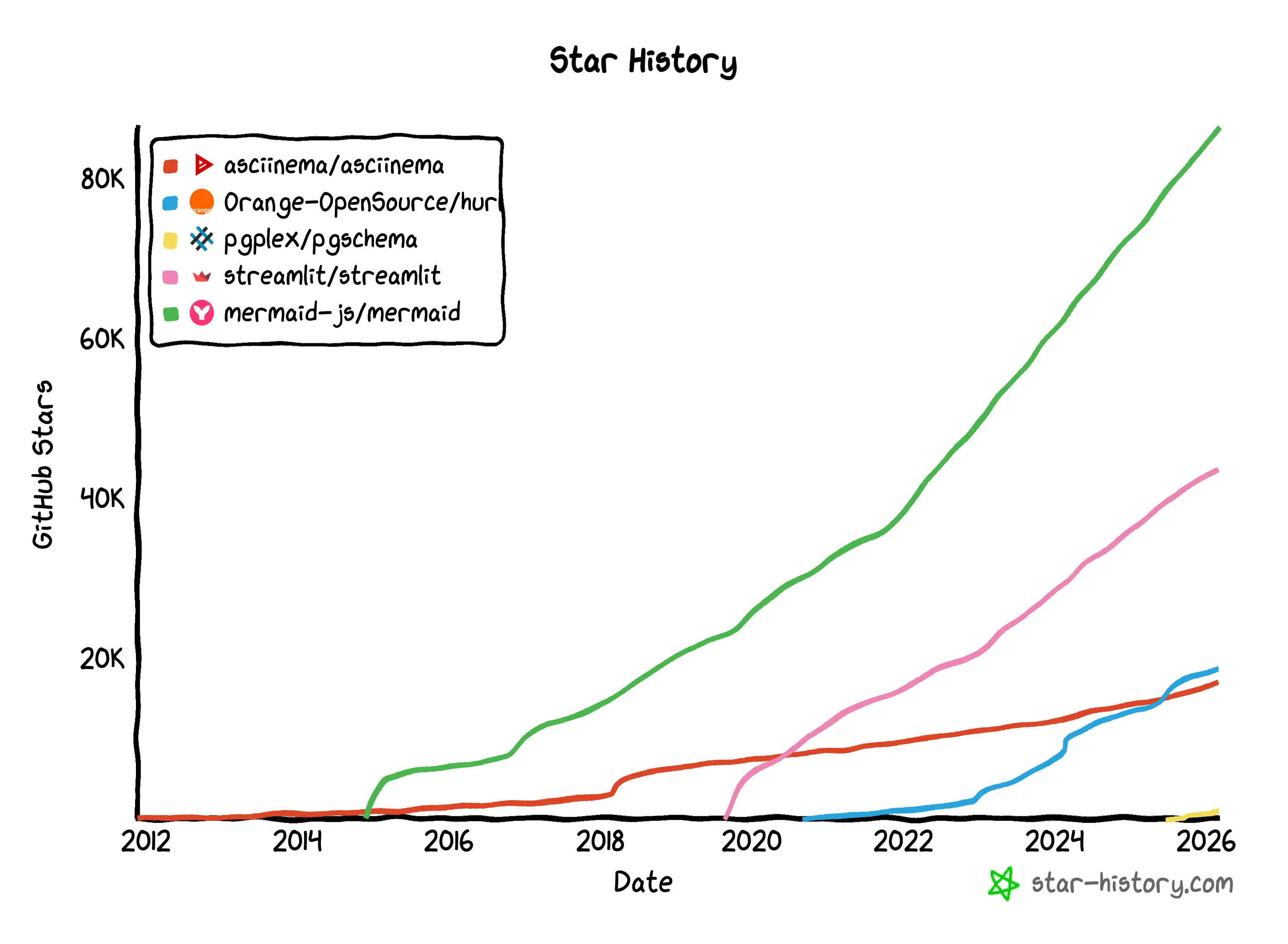
asciinema records terminal sessions as text, not video. The output is a lightweight, replayable format that LLMs can read, generate, and embed. When your AI agent needs to produce a demo or document a CLI workflow, asciinema is the natural output format — no screen recording app required.
ExtraSuite gives AI agents safe, structured access to Google Workspace — Sheets, Docs, Slides, Forms, and Scripts. Each agent gets its own service account, follows a declarative pull-edit-push workflow, and every change shows up in version history. It's the missing bridge between LLM agents and the office suite that everyone already uses.
Hurl lets you define HTTP requests in plain text files with built-in assertions and chaining. Think of it as curl meets a test framework, but everything lives in a readable .hurl file. An LLM can scaffold an entire API test suite in seconds — no Postman collections, no clicking through tabs.
Mermaid generates diagrams from a markdown-like syntax. A few lines of text produce flowcharts, sequence diagrams, ERDs — you name it. LLMs already speak fluent Mermaid, which makes it the path of least resistance for any AI workflow that needs to produce visuals.
pgschema takes a declarative approach to PostgreSQL schema management. You define the desired state in SQL, and it diffs against your database to produce the migration. No numbered migration files to juggle, no ORM DSL to learn. Just SQL in, SQL out — exactly the kind of interface an AI coding agent can work with natively.
Streamlit turns a Python script into an interactive web app. No frontend code, no build pipeline. Because the entire UI is expressed as Python, an LLM can generate a working dashboard from a single prompt. It's quietly become the default way AI agents ship data tools to humans.
We are so back.