On this page
Star History Monthly Nov 2025 | Agent SDK/Framework
AI agents are no longer just prototypes - they’re becoming the backbone of production systems. Developers are building structured, autonomous software that reasons, uses tools, and collaborates with users - powered by a fast-growing ecosystem of SDKs and frameworks.
This month, we highlight four standout projects shaping how intelligent applications are built and deployed:
| Assistant UI | Chat-native UI toolkit for agent interfaces |
| Mastra | Full-stack TypeScript agent framework |
| Claude Agent SDKs | Official multi-language SDKs for building agents with Claude |
| VitePlus | Next-generation JavaScript toolchain for modern web apps |
Assistant UI
→ Building Agent Interfaces
Assistant UI is an open-source toolkit for creating chat-style interfaces. It provides React components and APIs to embed conversational agents directly into your product - with modern design, beautiful defaults, and full TypeScript support.
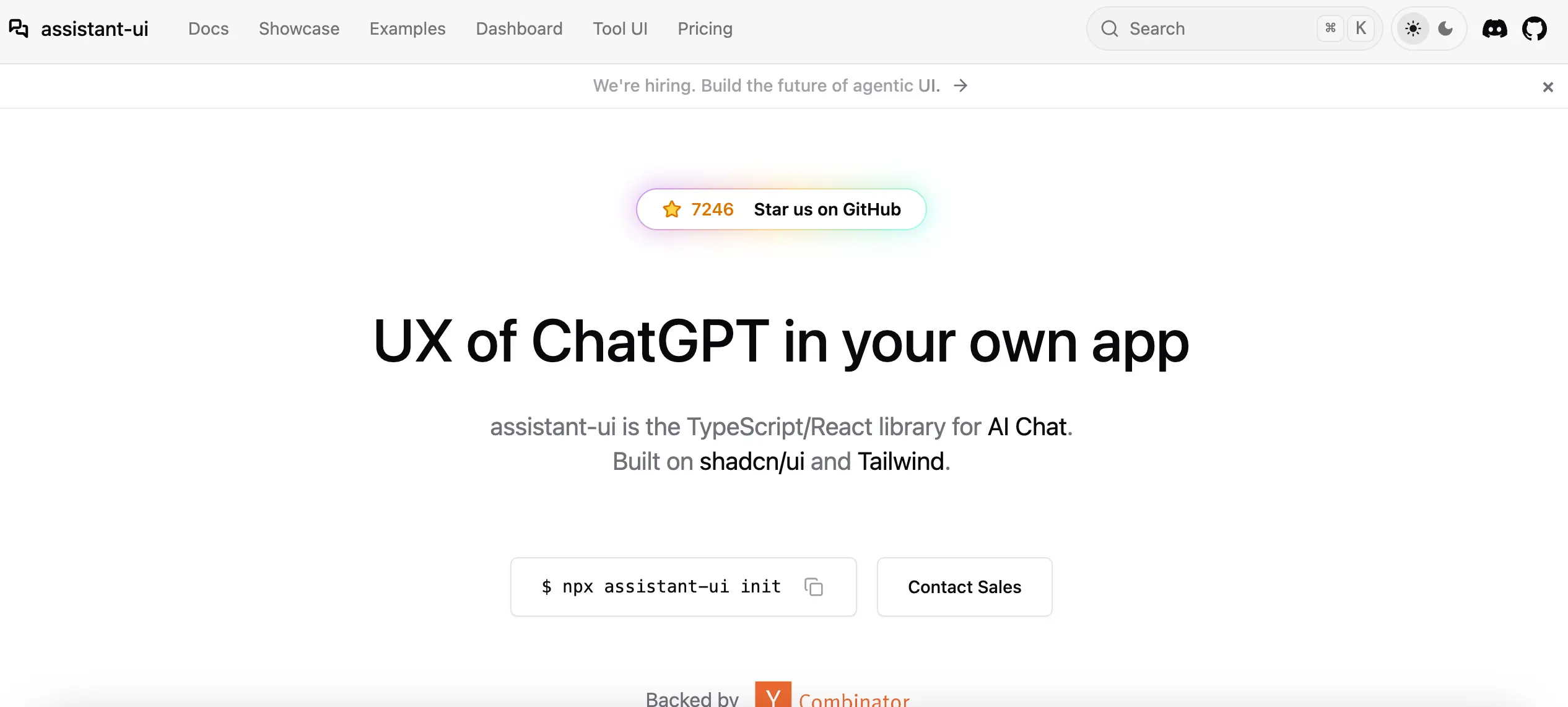
- Strengths: Polished UI components, flexible integration, and built on shadcn/ui + Tailwind.
- Limitations: Primarily web-focused; native and mobile support are evolving.
👉 Assistant UI gives your agents a front-end identity - transforming LLM logic into elegant, human-centered experiences.
Mastra
→ Full-Stack TypeScript Agent Framework
Mastra is a rapidly maturing, full-stack framework for building AI agents with TypeScript. It unifies model orchestration, retrieval workflows, and observability - enabling developers to ship scalable, production-grade AI systems.
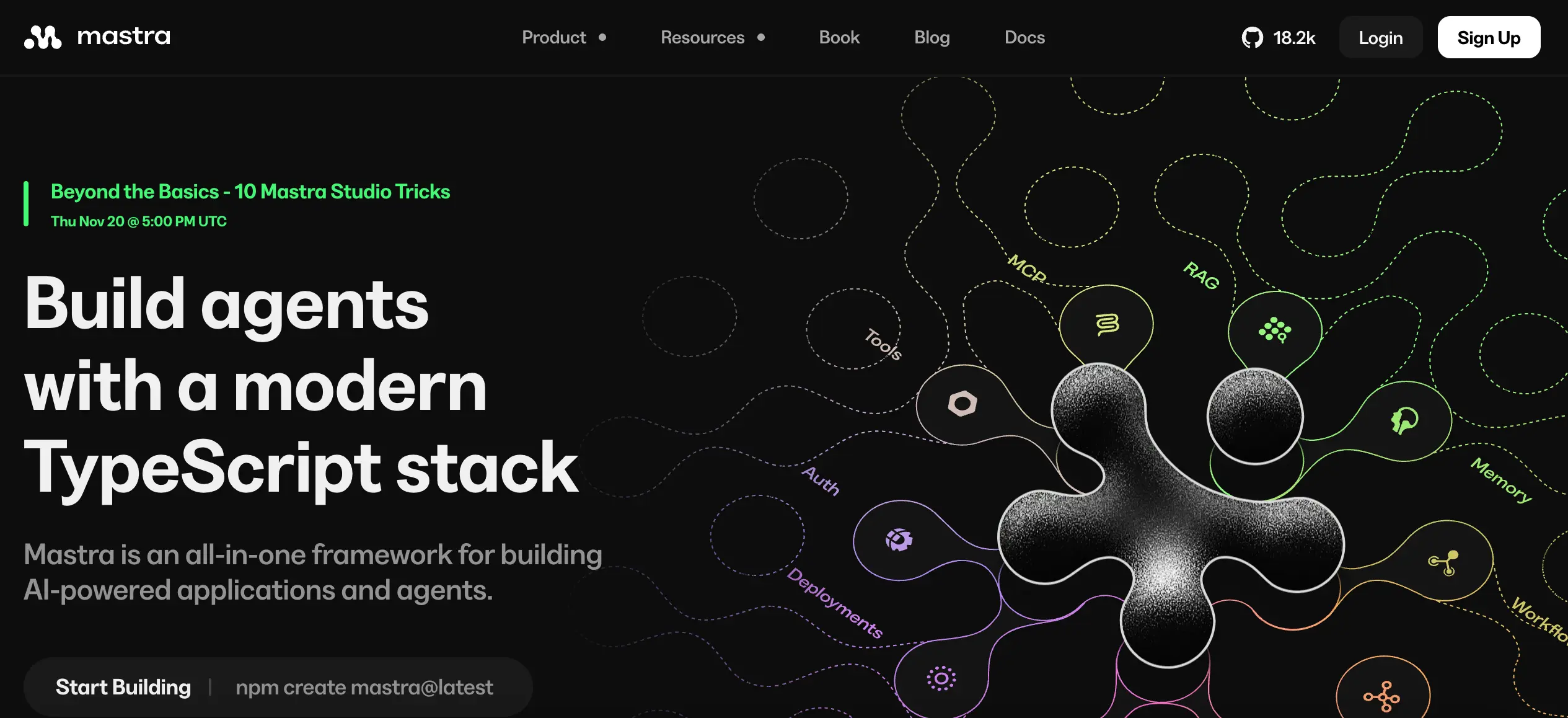
- Strengths: Type-safe, modular, integrates with 40+ model providers; strong tooling and documentation.
- Limitations: APIs evolve quickly as the framework expands.
👉 Mastra brings engineering rigor to AI development - making agents testable, composable, and ready for real-world use.
Claude Agent SDKs
→ Building Agents with Claude
Anthropic’s Claude Agent SDKs, available for multiple languages, including Python and TypeScript, provide structured abstractions for building Claude-powered agents. They include components for tool use, Model Context Protocol (MCP) integration, and persistent multi-step workflows - enabling developers to design reliable, autonomous systems.
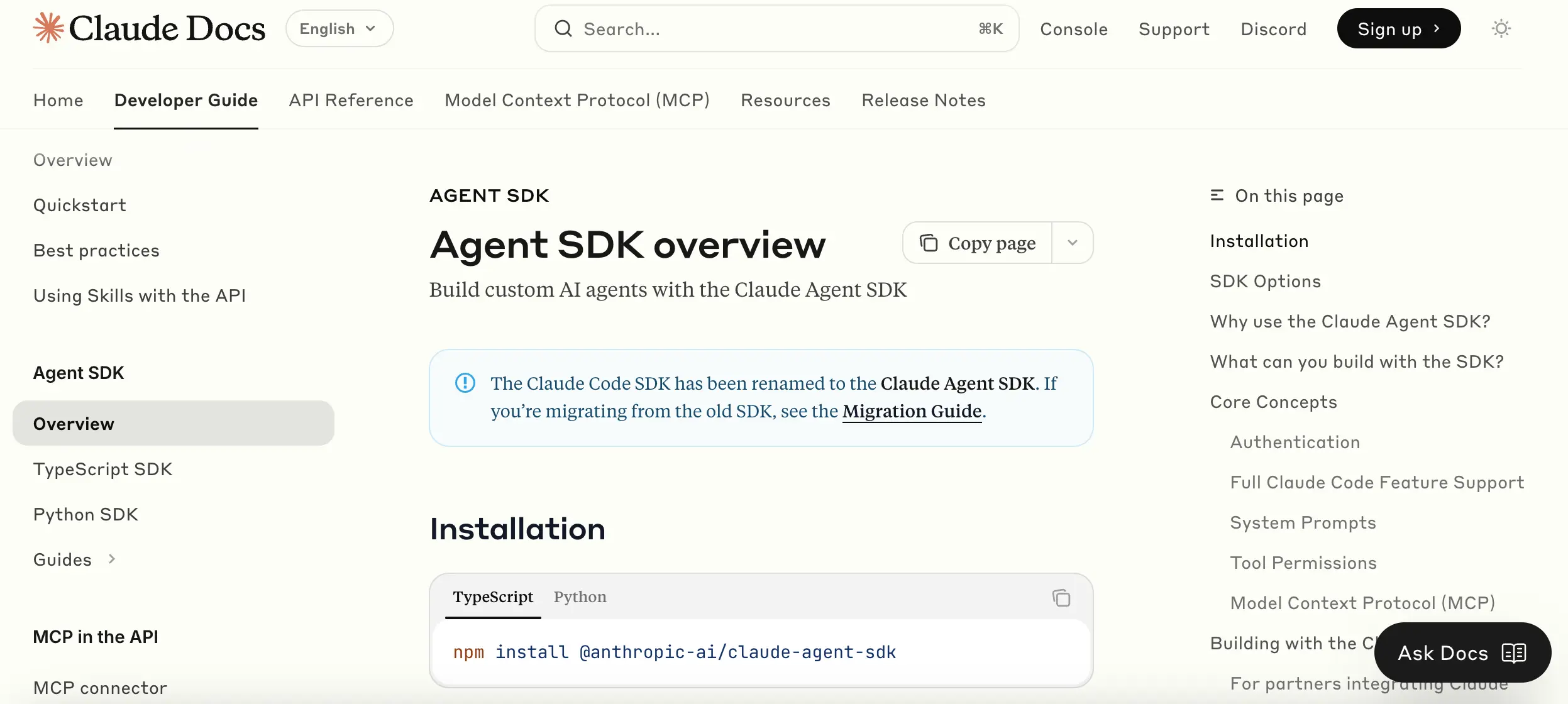
- Strengths: First-party SDKs from Anthropic, unified across languages, aligned with Claude’s safety and reasoning architecture.
- Limitations: Memory persistence and orchestration layers are still maturing.
👉 The Claude Agent SDKs elevate agent development to a first-class discipline - offering developers a safe, composable foundation for building intelligent systems.
VitePlus
→ Next-Generation JavaScript Toolchain
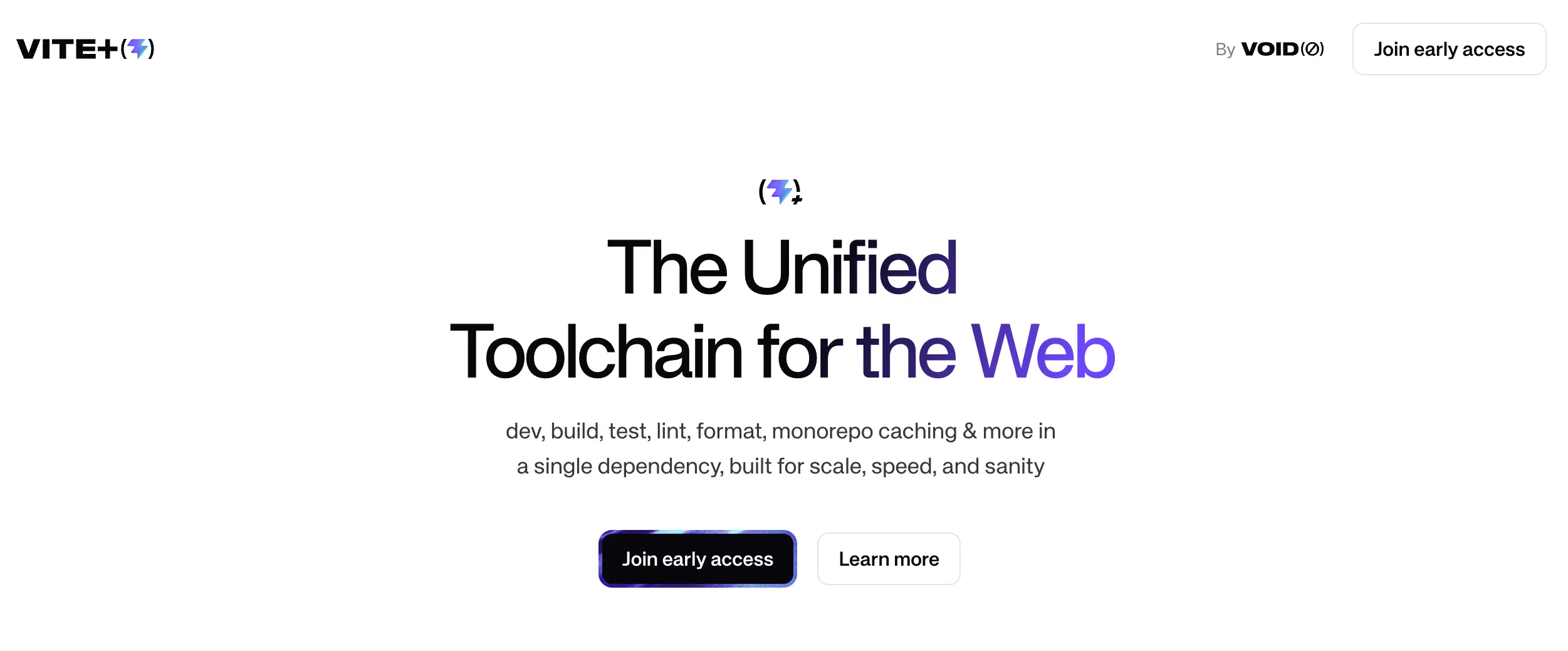
(Note: VitePlus is in active development by VoidZero, the team behind Vite, with a public preview expected in early 2026.)
VitePlus isn’t an AI framework - it’s the evolution of Vite into a unified JavaScript toolchain. It adds commands for building, testing, linting, formatting, and managing monorepos, all powered by Rust-based tools like Rolldown and Oxlint for near-instant feedback.
- Strengths: Unified developer experience, high-speed incremental builds, strong TypeScript support.
- Limitations: Still in private development; not yet generally available.
👉 As AI-powered agents merge into everyday web apps, VitePlus provides the performance foundation and developer experience to ship them efficiently.
✨ That’s November - four projects leading the Agent SDK & Framework Frontier. From SDKs and full-stack frameworks to next-generation developer toolchains, these projects are shaping how developers turn large language models into production-ready, intelligent applications.